
Insights
When a General Contractor Pays Slow, Every Sub Feels It
One slow-paying general contractor squeezes every sub on the job at once. The cascade, the early warning signals, and how subs bridge it without stacking.
The short answer
When a general contractor's payments slow, every subcontractor on the job absorbs the delay at once — payroll and supplier bills stay weekly while receivables stall together. The survivors move on the early signals: size the gap in weeks, get a revised payment date in writing, and bridge with one lever — reserves, supplier terms, or working capital sized off deposits — instead of shotgunning applications.
Key takeaways
- A GC's slow pay is a system event: every sub on the job absorbs the same delay in the same week, while payroll stays weekly.
- The shock is correlated — know what share of your receivables rides on one GC before their calendar becomes yours.
- Slow pay telegraphs for weeks. A stretching payment cycle and stalled retainage releases are lead time, not annoyances.
- One sized gap, one written date, one bridge — an over-shopped file reads as higher risk across the industry.
- If the GC is sinking rather than slow, protect your lien rights first. Borrowing against a receivable that may never arrive is not a bridge.
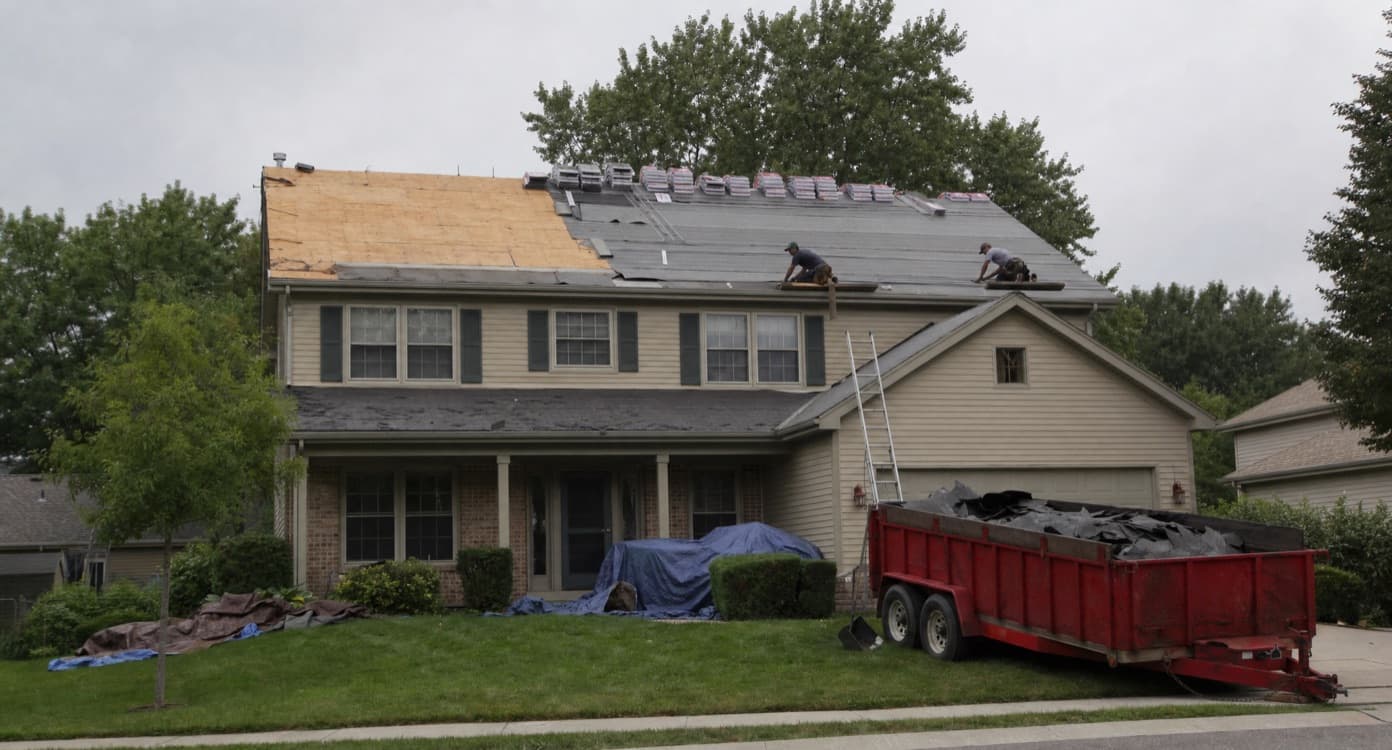
A general contractor never pays just one subcontractor slowly. When the money above them slows — an owner's draw stalls, a lender's disbursement waits on paperwork, a dispute freezes one line of the budget — the delay flows down through every trade on the job in the same week. The framer, the electrician, the drywall crew, and you all watch the same date slip together.
We fund a lot of trade contractors, and the pattern is unmistakable from our side of the desk: when one GC slows down, we hear from several healthy subs in the same month, each convinced the problem is theirs alone. It almost never is. Slow pay is a system event, and the subs who come through it best are the ones who treat it like one.
One slow draw lands on every trade at once
The payment chain on a commercial job runs owner to general contractor to subs, and cash moves down it in steps. When the top of the chain slows, the GC does what any business short of cash does: prioritizes. Their own payroll and overhead come first, the trades holding the critical path come next, and everyone else waits. Where you land in that order has nothing to do with the quality of your work.
What makes this dangerous is that the shock is correlated. It is not one receivable arriving late — it is every receivable connected to that GC rescheduling at once, while your own obligations stay stubbornly weekly. Run the shape of it on a hypothetical: say $150,000 of your $220,000 in outstanding receivables runs through one general contractor across two jobs. One slow draw at the top, and most of your incoming cash just moved — on a phone call you were not on.
The signals show up before the missed date
Slow pay almost never arrives unannounced. It telegraphs, usually for weeks, in ways subs notice and then explain away — because the relationship is good and the work keeps coming.
| What you notice | What it usually means |
|---|---|
| The payment cycle quietly stretches — 30 days becomes 45, then 60 | The GC is managing cash by using your patience as a credit line |
| Retainage release stalls on phases everyone agrees are complete | Money is being held wherever holding it is easiest |
| Change orders get approved verbally but never in writing | The GC is deferring commitments they are not sure they can fund |
| The payables contact goes quiet while the superintendent still calls daily | The schedule matters to them right now; the checks do not — yet |
The day a payment officially fails is the worst possible day to start solving the problem. Every option is calmer, cheaper, and more available three weeks earlier — on the day the cycle first stretched.
Survive it in sequence, not all at once
- 1
Size the hole in weeks, on paper
Add up the payroll and supplier bills due before the revised payment date, subtract the cash and receivables this GC does not touch, and write the number down. That one page is your decision tool — and it happens to be exactly the context an underwriter needs later if you bridge.
- 2
Get the new date in writing
Call the GC, ask plainly what is happening above them, and follow up with an email confirming the timeline they gave you. A slipping date you can show is a schedule; a slipping date you describe from memory is a story. The difference matters to your planning, and to anyone reading your file.
- 3
Pick one bridge and work it
Reserves, a negotiated extension with your supplier, or short-term working capital sized off your deposits — choose the lever that covers the gap at the lowest real cost and commit to it. Splitting the gap across three half-measures usually means paying for all three.
- 4
Do not shotgun applications
The panicked version of this week is submitting your file to eight lenders at once. Across this industry, an over-shopped file reads as higher risk. One application and one conversation with a direct lender that does not resell your file protects both your options and your phone.
Bridging until a contract payment lands is one of the most common things we fund for trade businesses — not an exception, a named use. The facility is sized off your deposits, and the total cost is fixed and agreed before you sign. In practice, many subs simply retire the balance when the GC's check finally lands.
A slow-pay month reads fine — if it arrives explained
Contractor deposits are lumpy on their best days, so a thin stretch does not alarm an underwriter who knows the trade. What decides how it reads is the explanation traveling with it. A slow month with the GC's revised timeline attached, and your one-page gap math behind it, is context — the file gets read forward from there. The same month with no story attached is a question, and questions cost days you may not have.
This is also why the timing rule matters more than owners expect: how urgently you need money has nothing to do with how fundable you are, and no honest funder treats urgency as a qualification. The subs who handle a slow-paying GC best lined up their options back when the payment cycle first stretched — so the capital is simply there the second time the date moves.
When bridging is the wrong move
Sometimes it is, and saying so plainly is part of the job.
- If the GC is not slow but sinking — payments stopped across every trade, staff leaving, work suspended — you have a collection problem, not a timing gap. Borrowing against a receivable that may never arrive deepens the hole. That moment calls for a construction attorney and your lien rights, not an advance.
- If every GC pays you slow on every job, the problem is not one customer's calendar — it is the terms you accept or the clients you chase. Capital can carry a gap between good jobs; it cannot make a habit of bad ones affordable.
- Never take a second advance to make the payments on a first. Stacking turns a bridge into a spiral, and a funder who declines to stack you is protecting your business, not withholding from it.
If what you are carrying is the ordinary version of this — good work done, a GC managing their own wait, payroll due before the money lands — the conversation is a short one to start. We underwrite at $250,000 or more in yearly revenue, a year or more in business, and a 580+ credit score; decisions are made in-house by people who read contractor statements every day, and funding can arrive in as little as 24 to 48 hours. The smart time to see what your deposits support is while the slipping date is still a signal, not an emergency.
Express Capital Funding · Direct lender
See what your revenue supports
We underwrite in-house and fund from our own balance sheet. $250,000+ in yearly revenue, 1+ year in business, and a 580+ credit score is the gate — a decision the same day, funding in as little as 24–48 hours.
4.8★ from 590 reviews · A+ BBB accredited · $250M+ funded
Frequently asked questions
What can a subcontractor do when a general contractor pays slowly?
Move on the early signals rather than the missed date: size the gap between bills due and the revised payment date, get the GC's new timeline in writing, and pick one bridge — reserves, supplier terms, or short-term working capital. If payments have stopped entirely rather than slowed, protect your lien rights with a construction attorney first.
Can I get business funding while waiting on a slow GC payment?
Bridging until a contract payment lands is a common, named use of revenue-based working capital. A thin recent stretch caused by one slow payer is not an automatic decline when it arrives explained — bring the revised timeline with your statements. The published basics are $250,000 or more in yearly revenue, a year or more in business, and a 580+ credit score.
Should I tell a lender my GC is paying late?
Yes — volunteering it helps you. Contractor deposits get read for pattern and explanation, and a documented slow payment above you is context an underwriter can work with. An unexplained thin month is a question, and questions slow files down.
How do I protect my business from a slow-paying general contractor?
Know your concentration — the share of receivables riding on each GC. Watch the early signals, especially a stretching payment cycle and stalled retainage releases. Keep your gap math current, and arrange capital options before you need them: how fast you need money has no bearing on whether you fund, so lining options up early is pure advantage.
Keep reading


Published by Express Capital Funding, a direct lender to U.S. small and mid-sized businesses. This article is general information, not financial, legal, or tax advice, and is not an offer or commitment to lend.
← More insights