
Industries
Funding for Construction and Contracting Businesses
Why construction cash flow reads differently to an underwriter, how draws and retainage distort your statements, and how to fund materials before you get paid.
The short answer
Construction businesses are underwritten around the gap between spending on a job and being paid for it. Lumpy deposits from progress draws are normal and are not read as instability when the pattern is explained. The most common facility funds materials and labor on work already won, repaid as the draws land.
Key takeaways
- Lumpy deposits are expected in construction — they are not read as volatility when the draw schedule is explained.
- Retainage held back on completed work is real revenue your statements do not yet show.
- The classic use is funding materials and labor on a signed job, repaid when the draw arrives.
- Taking on an additional job you would otherwise decline is usually the highest-return use of capital in this trade.
- Match the term to the job's payment schedule, not to the calendar.
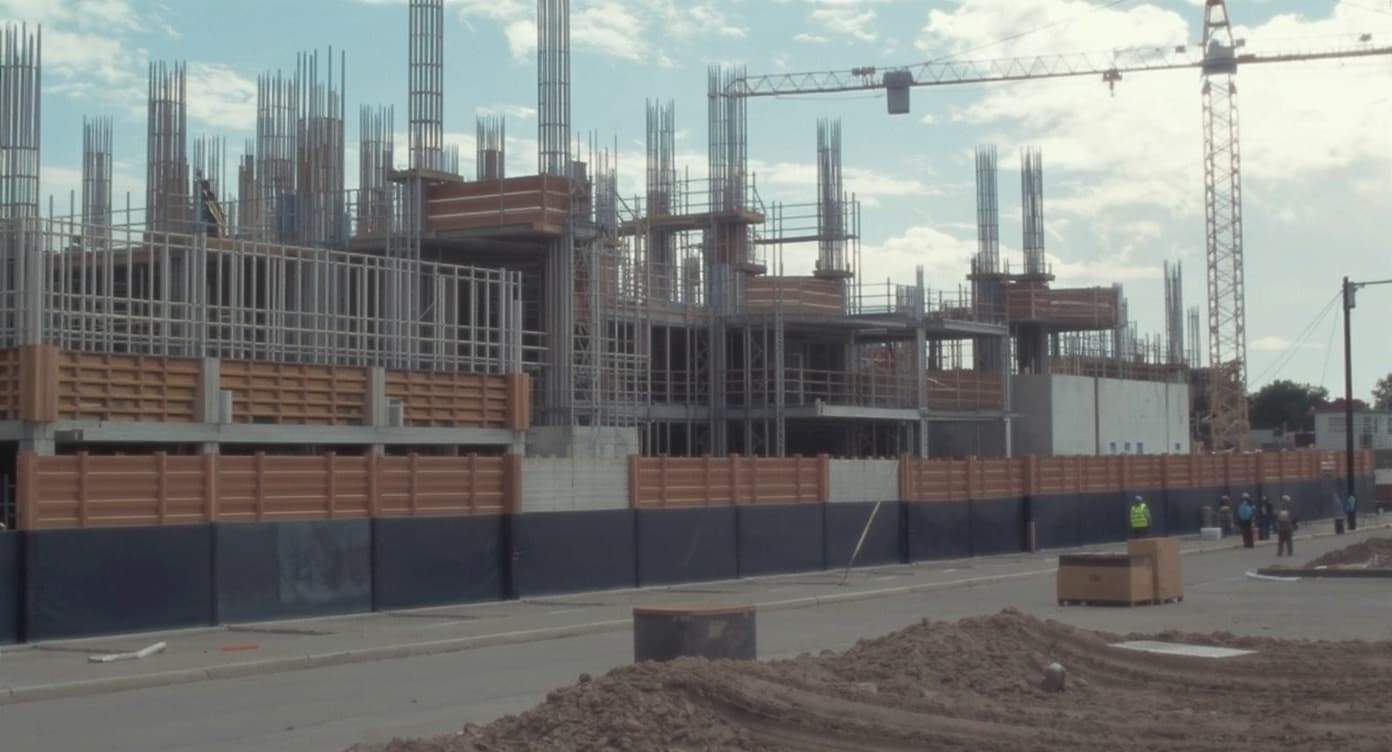
Construction is the largest share of what Express Capital funds, and it is also the trade whose bank statements are most often misread by lenders who do not know it. The pattern that looks like instability on paper is usually just how the work pays.
Why your statements look the way they do
A contractor spends heavily at the start of a job and gets paid in stages afterwards. Run several jobs at overlapping stages and monthly deposits swing hard — $40,000 one month, $210,000 the next, then quiet while three jobs sit at 60% complete.
Retainage: revenue you have earned and cannot see
Five to ten percent withheld until final completion is standard, and on a book of active work it can represent a substantial sum sitting outside your deposits entirely. It is worth stating, because it materially changes the picture of what your business has actually earned.
The three things capital is usually for
- 1
Fund the job before you get paid
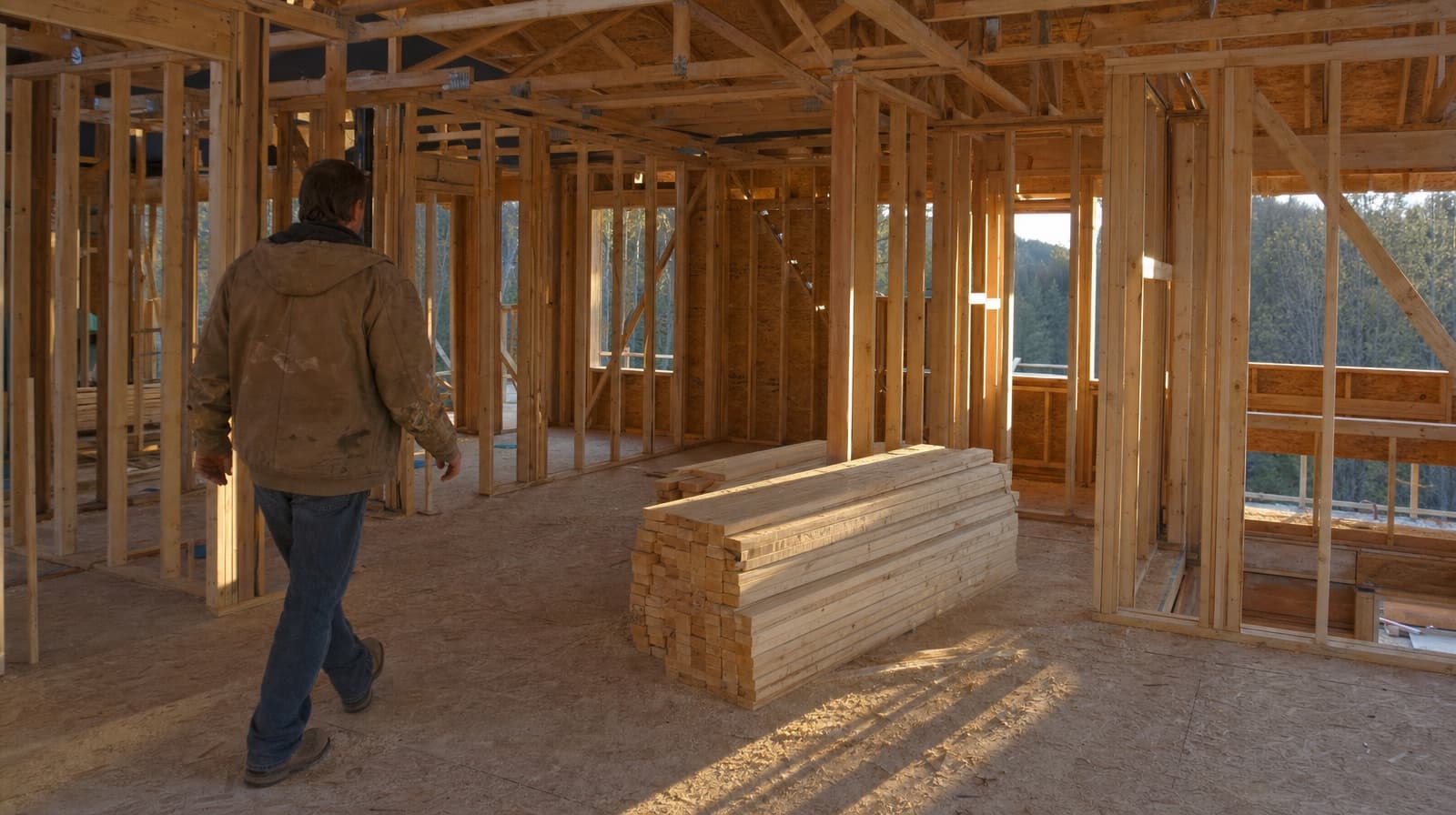
Materials and crew on signed work, repaid as the draws come in. The most common and most naturally self-liquidating use in this trade.
- 2
Take the additional job
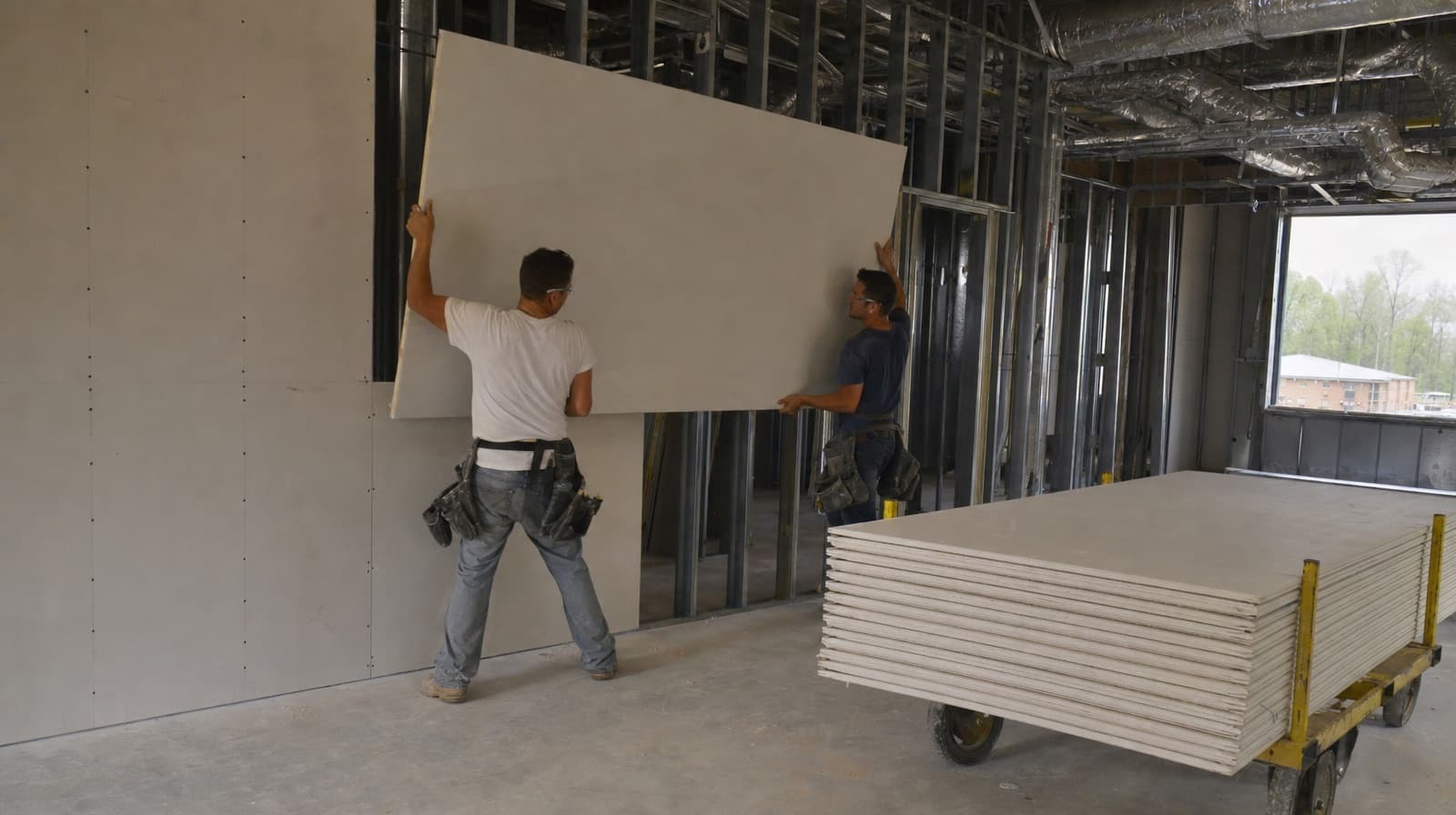
Declining work because the front-end cost lands before the payment does is the most expensive thing a growing contractor does. The margin on one additional job routinely exceeds the entire cost of the capital that made it possible.
- 3
Bridge a slow-paying general contractor
The work is complete and approved; the money is 45 days out. Bridging the gap keeps payroll and the next mobilization moving.
Structuring around a draw schedule
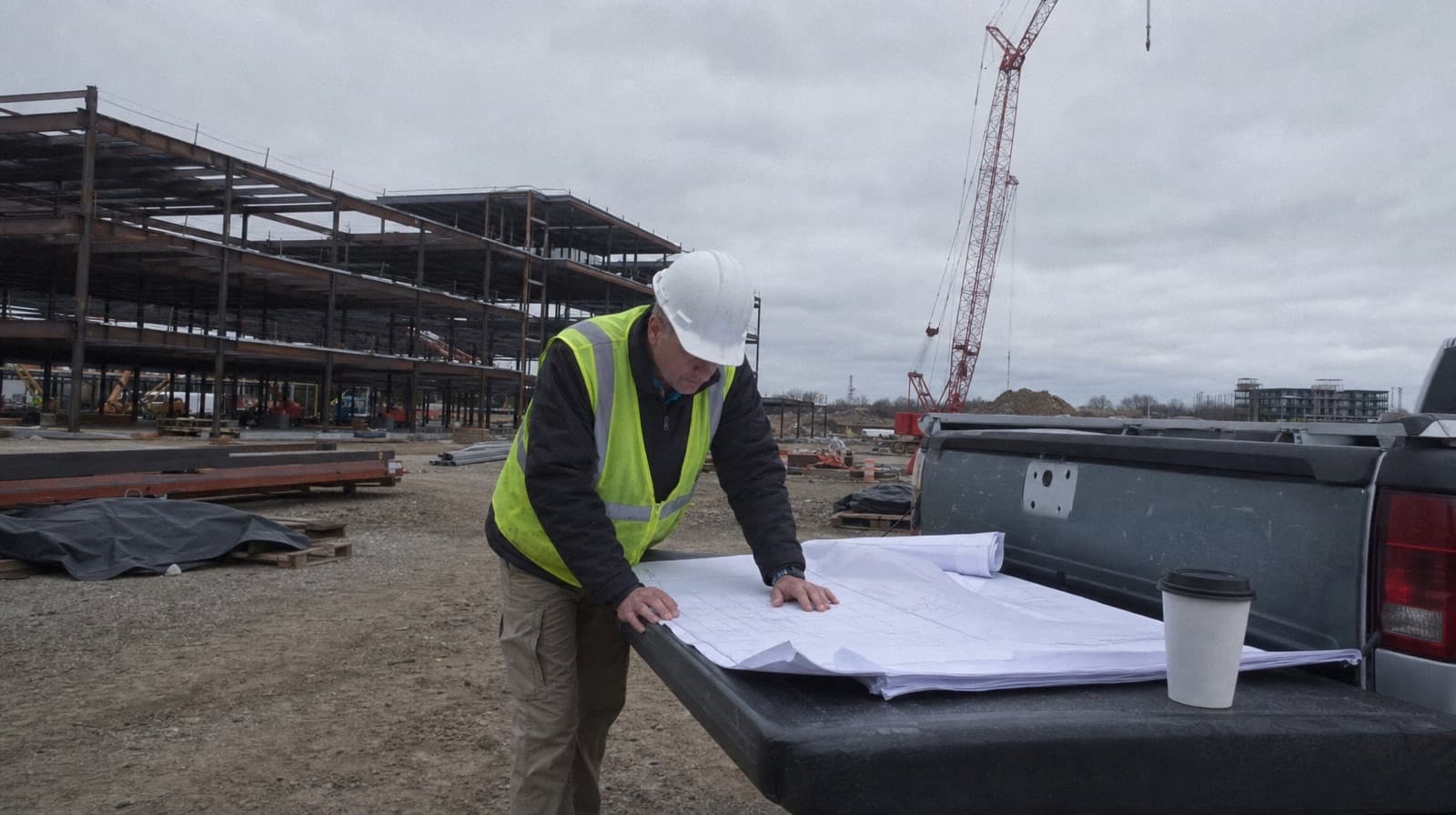
The repayment horizon should track the job's payment schedule. If a draw is due in 60 days, the facility should be built around roughly that horizon — long enough that you are not paying out before you are paid in, short enough that you are not carrying cost after the job has closed.
| Situation | What usually fits |
|---|---|
| Materials on a signed job, draw at 30–60 days | Short revenue-based working capital sized to the materials cost |
| Several jobs starting at once | A larger facility sized on trailing revenue, repaid across the run |
| Truck, excavator, or plant purchase | Equipment finance — the asset secures it and the term matches its working life |
| Recurring, unpredictable mobilization costs | A line of credit put in place during a strong stretch |
Express Capital Funding · Direct lender
See what your revenue supports
We underwrite in-house and fund from our own balance sheet. $250,000+ in yearly revenue, 1+ year in business, and a 580+ credit score is the gate — a decision the same day, funding in as little as 24–48 hours.
4.8★ from 590 reviews · A+ BBB accredited · $250M+ funded
The Construction library





Frequently asked questions
Can contractors get funding with irregular monthly revenue?
Yes. Progress-draw revenue is expected in construction and is read against the pattern of the trade rather than against a smooth monthly average. Explaining your draw schedule alongside your statements is the single most useful thing you can do.
Can I get funding for materials before the job pays?
That is the most common construction facility we write. Capital covers materials and labor on work already signed, structured to be repaid as the draws arrive.
Does retainage count as revenue?
It is earned revenue that has not yet been released, so it will not appear in your deposits. Stating the amount currently held gives a fuller picture of what the business has actually produced.
Keep reading

Published by Express Capital Funding, a direct lender to U.S. small and mid-sized businesses. This article is general information, not financial, legal, or tax advice, and is not an offer or commitment to lend.
← More industries