
Industries
Funding for Trucking, Freight, and Logistics
How settlement cycles, fuel costs, and factoring shape a funding decision — and what carriers should know before adding capital on top of factoring.
The short answer
Carriers are underwritten around settlement timing: fuel and driver pay leave immediately while freight settles in 30 to 45 days. If you already factor invoices, that changes what your deposits show, and disclosing the arrangement upfront prevents your revenue being read twice or read short.
Key takeaways
- The core cash-flow problem in freight is timing, not margin.
- If you factor, say so — factored deposits read differently from direct settlements.
- Equipment finance is usually the right structure for tractors and trailers, not general working capital.
- Fuel and maintenance spikes are best absorbed by a line established in advance.
- Deadhead and detention losses are operational, and capital will not fix them.
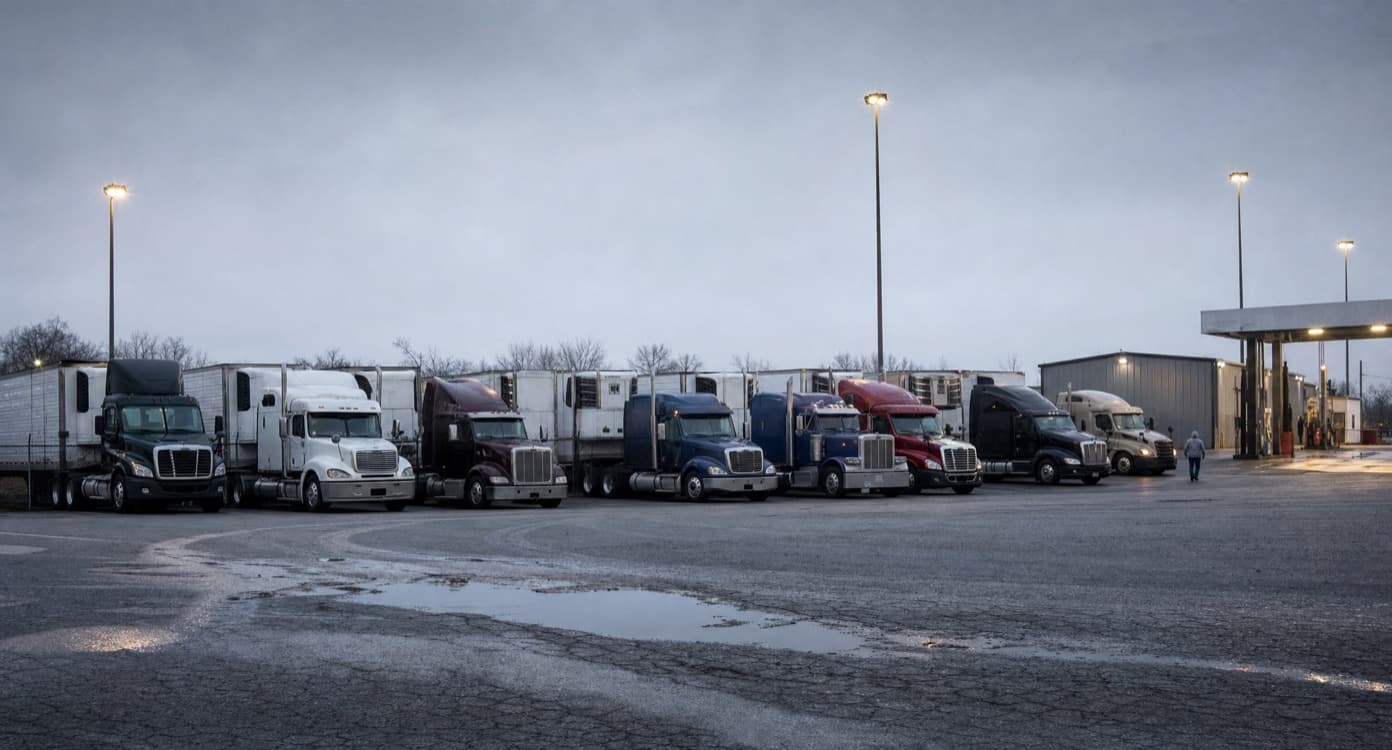
Freight is a timing business. The load is delivered, the costs have already been paid, and the settlement arrives weeks later. Most carriers who need capital do not have a profitability problem — they have a calendar problem.
What an underwriter is reading
- Settlement consistency — are loads landing on a predictable cycle, or is the book lumpy?
- Whether deposits arrive from brokers, shippers directly, or a factoring company.
- Fuel as a share of revenue, and how sharply it moves month to month.
- Fleet size and whether equipment is owned, financed, or leased.
Matching structure to the need
| Need | Structure that fits |
|---|---|
| Fuel and driver pay ahead of settlement | Short revenue-based working capital on the settlement cycle |
| Tractor, trailer, or reefer purchase | Equipment finance — longer term, asset-secured |
| Unexpected major repair | Working capital, or a line if one is already in place |
| Adding lanes or trucks | Term facility sized to the incremental revenue, not to the whole fleet |
Before you add capital
Capital solves a timing gap well and an operating loss badly. If deadhead miles, detention that is never billed, or rates below your true cost per mile are the actual issue, financing extends the runway without changing the direction. Know your cost per mile before you add a payment to it.
Express Capital Funding · Direct lender
See what your revenue supports
We underwrite in-house and fund from our own balance sheet. $250,000+ in yearly revenue, 1+ year in business, and a 580+ credit score is the gate — a decision the same day, funding in as little as 24–48 hours.
4.8★ from 590 reviews · A+ BBB accredited · $250M+ funded
The Trucking & Logistics library

Frequently asked questions
Can I get funding if I already use invoice factoring?
Often yes. Disclose the arrangement at the outset — it affects how your deposits read and how a new facility should be structured around the factoring company's position.
Is equipment finance better than working capital for a truck?
For the truck itself, generally yes. The asset secures the facility, which usually means a longer term and a lower cost than funding the same purchase out of general working capital.
How many trucks do I need to qualify?
There is no fleet-size requirement. The gate is the same as any other business: consistent yearly revenue of $250,000 or more and at least a year of operating history.
Keep reading


Published by Express Capital Funding, a direct lender to U.S. small and mid-sized businesses. This article is general information, not financial, legal, or tax advice, and is not an offer or commitment to lend.
← More industries